Fort Lauderdale — the US hub
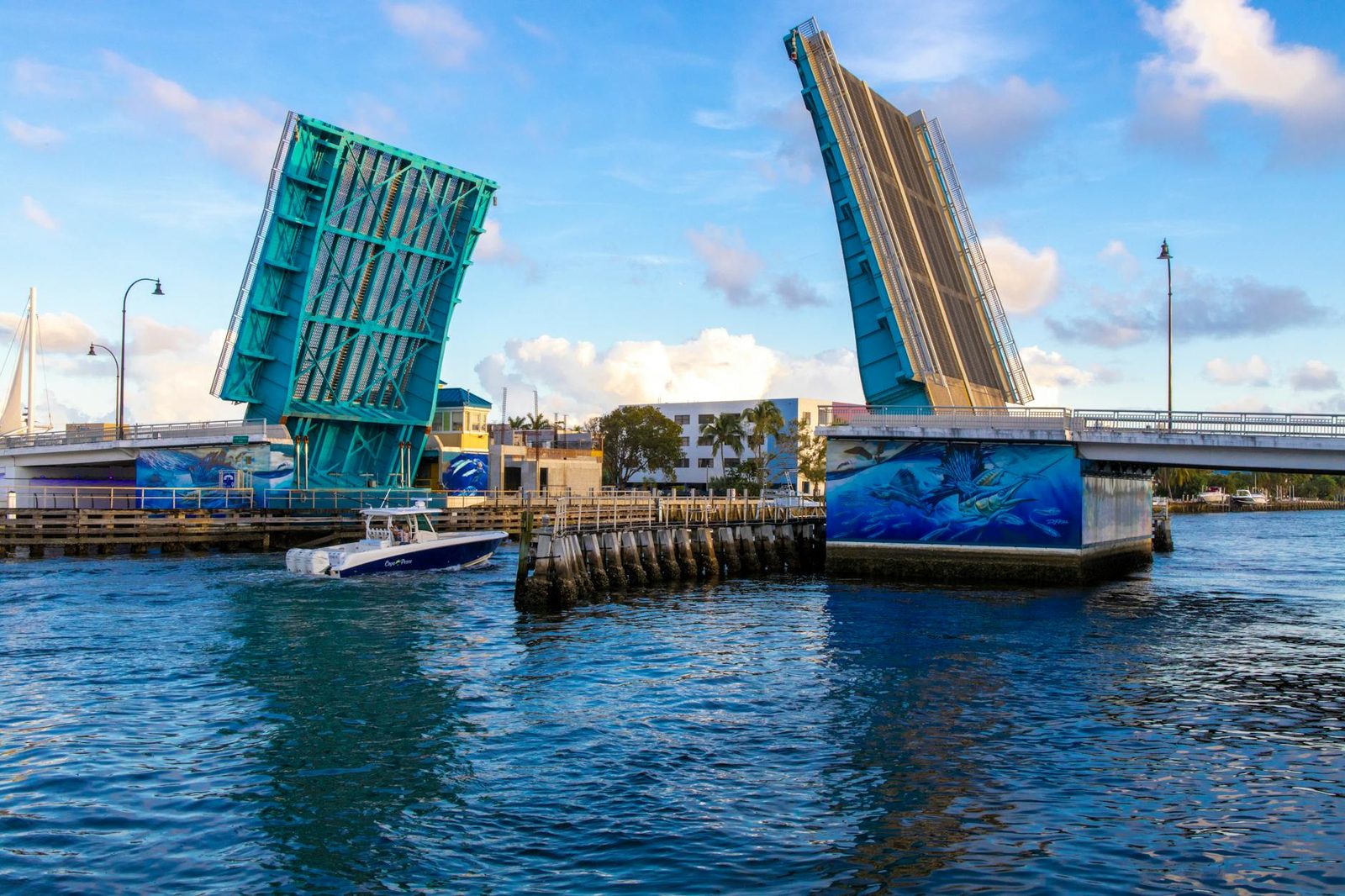
Fort Lauderdale, Florida is the undisputed centre of American superyacht activity. The Lauderdale Marine Center is the largest superyacht repair and refit yard in the United States. The network of marinas along the Intracoastal Waterway — Bahia Mar, Las Olas, Pier 66, Sunrise Harbor — holds hundreds of superyachts at any given time during the October–April season.
More importantly, Fort Lauderdale hosts the Fort Lauderdale International Boat Show (FLIBS) in late October each year. FLIBS is the most significant single gathering of the US yachting industry — over 1,000 vessels, 100,000 visitors, and the entire industry present in one place for five days. For crew, FLIBS is the most important single date in the US calendar. See our Fort Lauderdale dock walking guide for full detail.
Newport, Rhode Island — the summer sailing capital
Newport, Rhode Island is the epicentre of American sailing culture and the summer home for some of the US's finest sailing superyachts. The Newport International Boat Show in September, the various Newport regattas, and the general sailing infrastructure of Narragansett Bay make Newport the destination for the upper end of the summer east coast season. Crew interested in sailing positions — particularly on large performance sailing yachts — should know Newport as a key port.
Palm Beach
Palm Beach, immediately north of Fort Lauderdale, hosts a concentration of very high net worth owners and their yachts, particularly during the winter/spring "season" on the Florida Gold Coast. The marinas at Palm Beach and West Palm Beach hold some significant private vessels. A day trip from Fort Lauderdale is sufficient to cover the Palm Beach marina circuit.
USCG licensing — the US regulatory framework
The United States Coast Guard (USCG) operates a parallel certification system to the MCA. For crew working on US-flagged vessels in US waters, USCG certifications are required. The key points:
- Most superyachts in Fort Lauderdale are not US-flagged. The majority of superyachts based in or visiting Fort Lauderdale fly the flags of islands like the Cayman Islands, Marshall Islands, or the British Virgin Islands. These vessels operate under MCA STCW rules, not USCG rules. Your MCA-issued STCW certificates are fully applicable.
- US-flagged vessels require USCG STCW endorsements. If you're seeking a position on a vessel with a US flag document, you'll need USCG STCW endorsements. These are issued by the USCG National Maritime Center and can, in many cases, be obtained through a conversion process if you hold MCA-issued STCW certificates.
- Allow months for USCG processing. USCG endorsement applications can take 3–6 months to process. Plan well ahead if you need USCG credentials.
Visa status for non-US crew
Non-US citizens working on yachts in US waters is a complex legal area. The most common visa situations:
- B1 crew visa: The B1 in lieu of H-3 visa is the appropriate visa for crew members of non-US vessels visiting US waters. It does not require a separate work authorisation. This applies to crew on foreign-flagged vessels who are employed by a foreign employer.
- B2 tourist visa: Strictly speaking, a B2 visitor visa does not authorise work on a yacht in US waters. However, the distinction between B1 and B2 is frequently misunderstood, and many crew enter the US on B2 visas while working on foreign-flagged vessels. This creates legal exposure — always use the correct B1 crew designation if you are working.
- Visa waiver program (VWP): Citizens of VWP countries (most Western European nations, Australia, New Zealand, Japan, etc.) can enter the US visa-free for up to 90 days. VWP entry technically restricts work, but again, crew on foreign-flagged vessels are in a grey area that is enforced inconsistently.
Always consult a maritime immigration specialist before accepting a position that involves working in US waters. The rules are complex, enforcement is real, and the consequences of getting it wrong (visa cancellation, future entry issues) are significant.
The Jones Act — why it matters for crew
The Merchant Marine Act of 1920, universally known as the Jones Act, requires that vessels carrying cargo or passengers between US ports (coastwise trade) must be US-built, US-registered, and crewed by US citizens or permanent residents. For yacht crew, the practical effect is:
- A charter yacht picking up guests in Miami and dropping them off in New York is engaged in coastwise trade and must comply with the Jones Act — meaning it must be US-flagged and have a US citizen captain and crew.
- A foreign-flagged superyacht can carry guests around US waters only if those guests embarked and disembark at the same US port (or if the vessel goes to a foreign port between US stops).
- Most foreign-flagged superyachts doing US charter use the "Bahamas run" — guests fly to Fort Lauderdale, the vessel technically clears customs, sails to the Bahamas briefly, and then proceeds to various US stops. This is a legal workaround widely used in the industry.
Understanding the Jones Act helps crew understand why US-flagged vessel positions are relatively rare in the private yacht market, and why the crew nationality requirements for those positions are strict.