In this guide
What is dock walking?
Dock walking means walking along the marina pontoons, introducing yourself to captains, officers, or crew on the yachts moored there, and handing over your CV in person. It's the yachting industry's version of cold-calling — direct, personal, and remarkably effective when done well.
The logic is simple: captains and owners are frequently looking for crew at short notice, particularly in peak season when someone leaves unexpectedly or a charter is booked late. Being physically present in the right marina at the right time means you can be hired the same day. This almost never happens through an agency.
It works. It still works. Every season, people who had never set foot on a yacht before spend two weeks dock walking in Palma or Antibes and leave with a job. The ones who do it properly and persistently are almost always successful.
Before you go — the non-negotiables
Your documents
- STCW Basic Safety Training certificate — original or clear copy. Without this you cannot legally work and no captain will take you seriously.
- ENG1 medical certificate — current and in date.
- Passport — carry a copy, keep the original safe.
- Crew CV — printed, on good paper, 20+ copies. Not a normal job CV — see our crew CV guide.
What to wear
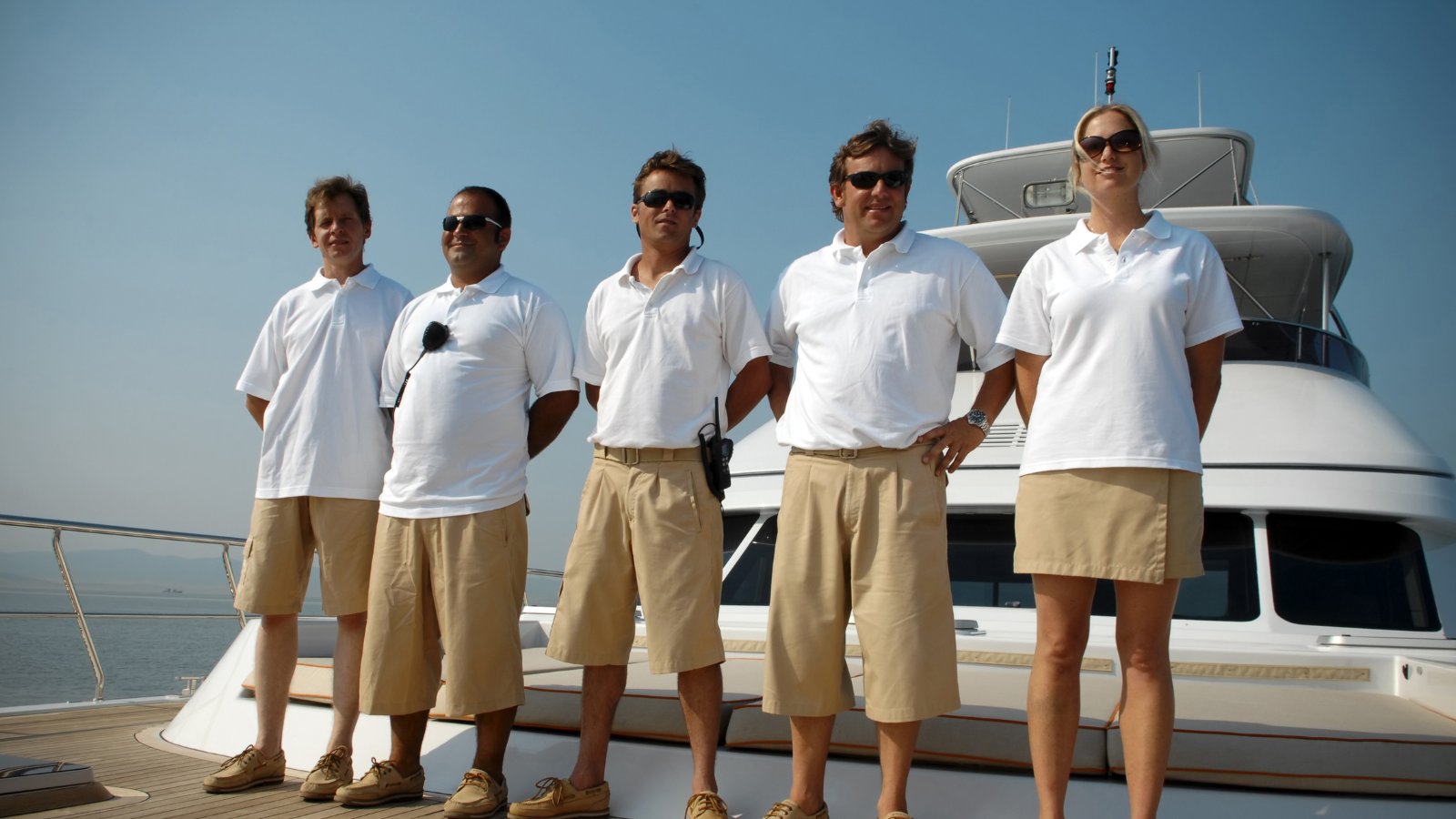
Smart-casual. This is the marina, not a job interview in an office, but you're presenting yourself as a professional. Clean chino trousers or smart shorts, a neat polo or shirt, clean deck shoes or non-marking trainers. No flip-flops. No ripped jeans. You want to look like you already belong on a yacht.
Avoid loud colours or patterns. Dress as close to crew uniform as you can — navy and white always works in this industry.
What to bring
- Your CV pack (20+ copies in a folder, not a screwed-up bag)
- Water — you'll be walking for hours
- Sunscreen — marinas have zero shade in summer
- A small notepad to record which vessels you've visited and any names you were given
- Your phone, charged — captains sometimes call the same day
Dock walking kit
Affiliate disclosure: We recommend products we've tested. Links to Amazon are affiliate links; we earn a small commission if you buy through them at no extra cost to you.
- Durable water bottle — Stainless steel bottles keep water cold in Mediterranean heat
- Reef-safe sunscreen — SPF 50+ that won't wash off with sweat
- Small notebook — Waterproof pocket notebook for boat names and contacts
- Professional portfolio — Slim leather or canvas portfolio to keep CVs dry and organized
- Seamanship reference — A pocket guide to yachting terminology for prep before dock walking
What to say
You're not pitching. You're introducing yourself. Keep it short, confident, and direct. Here's a simple framework:
That's it. You don't need a speech. What you need is:
- Your name
- The role you're looking for
- Your key qualifications (STCW, ENG1, any experience)
- A clear ask — can I leave my CV / speak to the captain?
If the crew member takes your CV, ask for the captain's name. If the captain is aboard, ask if they have 2 minutes. Most captains, even when they're not hiring, will give you a quick conversation if you're polished and respectful — and they'll remember you if something comes up.
If you're told they're not hiring, say "No problem — thank you for your time. Would it be alright if I checked back in a few days?" Then actually do it.
Best times to dock walk
Timing matters more than most people realise:
Time of day
Early morning (7:30–10am) is when captains and officers are on deck, before guests arrive or schedules take over. Mid-afternoon (2–4pm) is the second window — after lunch and before the evening. Avoid 12–2pm (lunch) and after 5pm (crew downtime and evening preparations).
Time of season
The two weeks before and after the start of each season are when most crew changeovers happen. In the Med, this means late April/early May and late September/October. In the Caribbean, it's late October/November and March/April. Being in the right place as yachts are preparing for or wrapping up a season puts you in the best position.
The boat show effect
The Fort Lauderdale International Boat Show (October) and the Palma International Boat Show (April) bring huge concentrations of owners, captains, and yachts into one place. The weeks surrounding these events are prime dock walking time.
Dos and don'ts
- Be consistent — go out every day
- Keep a log of every boat you visit
- Go back to the same boats after a few days
- Be polite to everyone, from deck crew to owner
- Follow up on any promising conversations by email
- Talk to other dock walkers — share intel
- Use the PYC Facebook group for current leads
- Board a vessel without being invited
- Interrupt crew who are working
- Ignore private yachts — they hire too
- Only dock walk once and give up
- Go out after 5pm or arrive reeking of last night
- Badmouth your previous employers
- Lie about your qualifications or experience
Dock walking by location
Each port has its own geography, rules, and culture. We've written detailed guides for every major dock walking location — which pontoons to target, where security is strict, the best nearby crew bars, and current tips from the community.
Palma de Mallorca
75,000 community membersThe heart of Mediterranean yachting. Puerto Portals, Real Club Náutico, and Moll Vell — when to go, who to approach, and where crew hang out.
Palma guideAntibes
50,000 community membersPort Vauban — one of the largest yachting marinas in the world. The French Riviera's crew capital and a must-visit before Med season starts.
Antibes guideFort Lauderdale
37,000 community membersThe superyacht capital of the US. October's boat show brings 1,000+ vessels to the area — and an enormous temporary crew hiring market.
Fort Lauderdale guideBarcelona
22,000 community membersPort Olímpic and the Marina Port Vell attract significant traffic. A good alternative to Palma and less competitive early in the season.
Barcelona guideAntigua
20,000 community membersEnglish Harbour and Falmouth Harbour — the Caribbean's premier yachting hub. Antigua Sailing Week draws vessels from around the world.
Antigua guideSt Maarten
17,000 community membersSimpson Bay Lagoon is one of the largest protected lagoons in the Caribbean and a major crew hub during the winter season.
St Maarten guideBeyond dock walking
Dock walking works best as part of a broader strategy. While you're in the marina every day, also:
- Register with crew agencies — they handle the longer-term contracts that dock walking rarely yields. Yotspot, YPI Crew, and Meridian are worth registering with.
- Use the PYC Facebook groups — crew post daywork opportunities and short-term positions constantly. Often faster than any other channel.
- Do daywork — a day's labour on a boat, even unpaid initially, gets you aboard, known, and sometimes leads to a full position.
- Stay in crew houses — the information network among crew looking for work is invaluable. Your crew house will be full of people with the same goal, and captains know where crew house.