Viareggio — where superyachts are born
Viareggio in Tuscany is one of the most important superyacht building locations on the planet. The Benetti shipyard — part of the Azimut-Benetti group — has been building superyachts on the Viareggio waterfront for over a century. Perini Navi, renowned for building some of the world's finest large sailing yachts, is also based here. Walking the Viareggio waterfront, you see new construction halls, vessels in various stages of fitting out, and the engineering and craftsmanship that defines the Italian superyacht tradition.
For crew, Viareggio represents a unique type of opportunity: yard-based work rather than onboard crew positions. New build commissioning crew, refit engineers, interior fit-out specialists, and sea trial teams are all active in Viareggio on a year-round basis. If you're an engineer or technically skilled crew member looking to build a deep understanding of how superyachts are constructed and how their systems work, spending time in Viareggio is invaluable education as much as employment.
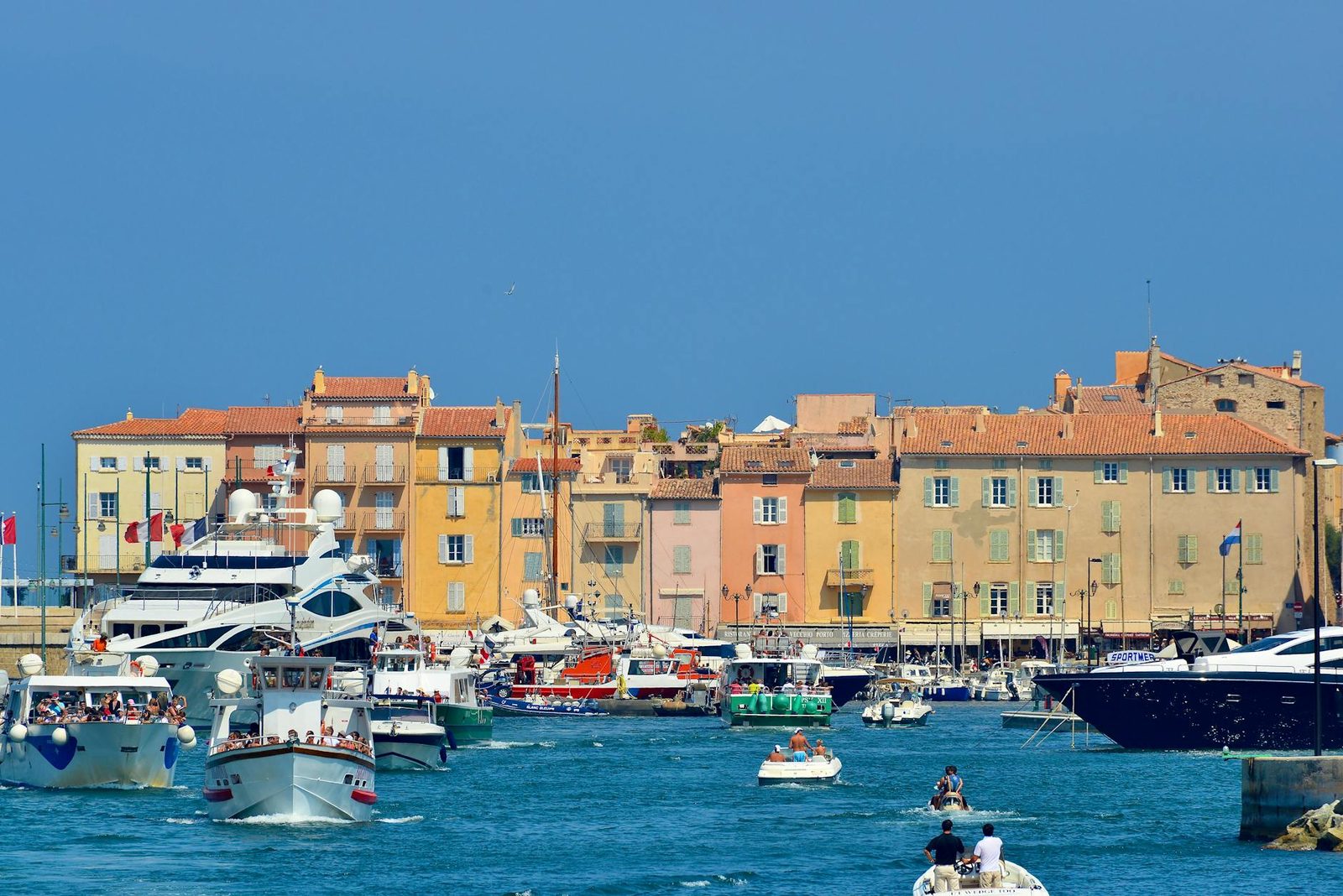
The Ligurian coast — Genoa, Portofino, Cinque Terre
The Ligurian Riviera, stretching from the French border east through Genoa to La Spezia, is one of the most celebrated cruising coasts in the Med. The combination of spectacular scenery — dramatic cliffs, colourful villages, the extraordinary Cinque Terre — with reliable summer weather makes this coastline one of the most popular charter itineraries for vessels based in the western Med.
Genoa (Porto Antico) is the main crew entry point for the Ligurian market, with the Genoa Boat Show in October providing the primary industry networking event. Portofino, despite its tiny size and reputation for exclusivity, is a mandatory call for every charter yacht in the area — the small harbour fills with vessels stern-to and the social scene in the port's restaurants is genuinely extraordinary during the summer months.
Sardinia — Porto Cervo and the Costa Smeralda
Sardinia in July and August represents the peak of Med yacht luxury. Porto Cervo and the surrounding Costa Smeralda area were developed by the Aga Khan in the 1960s specifically as an exclusive yachting destination, and the investment in infrastructure and aesthetic has paid off — the Costa Smeralda is now synonymous with the upper end of the superyacht world.
The Yacht Club Costa Smeralda (YCCS) organises major regattas throughout the summer, including the Maxi Yacht Rolex Cup in September, which brings some of the world's largest and fastest sailing yachts to Porto Cervo for a week of racing. For sailing crew in particular, the YCCS regattas represent one of the most significant networking and crew placement opportunities in the Med.
Access to the marinas in Porto Cervo is controlled, but the village commercial area — the small collection of restaurants, bars, and boutiques that sits at the head of the marina — is accessible and functions as the social hub for crew and guests from the assembled fleet. Time spent in the village in the evening is more productive than trying to access controlled pontoons.
Italian maritime bureaucracy for crew
Italy has its own requirements around vessel documentation, port authority check-ins, and the transit log (the "Zarpe" or departure clearance). Vessels cruising Italian waters are required to check in with the local Capitaneria di Porto (port authority) and carry a properly maintained transit log. This administrative process, while not particularly onerous, is unfamiliar to many non-Italian captains and having a crew member who can navigate the paperwork — even at a basic level — is genuinely valued.
Italianflagged vessels have specific crew certification requirements that can differ from MCA or other flag state requirements. Most large superyachts are not Italian-flagged, but if you're considering a position on an Italian-flagged mid-size charter yacht, verify the crew certification requirements before committing.
See our complete Italy dock walking guide for detailed marina-by-marina information.