In this guide
Why Malta deserves more attention from crew
Malta is the Med's best-kept secret for crew positioning. It has every practical advantage: English is an official language (so there's no language barrier in port authority offices, agencies, or crew accommodation), it's an EU member state (relevant for European crew exercising free movement rights), and its central Mediterranean position makes it a natural waypoint for yachts transiting between western and eastern Med.
The Maltese yacht registry has grown significantly over the past decade. The Malta flag is one of the most respected in the industry — Malta is the EU's largest maritime flag, subject to EU regulations and inspected by Maltese transport authority officers who operate to international MCA-equivalent standards. This means a growing number of yachts are Malta-flagged, and the flag state's local presence means crew issues, certification endorsements, and documentation can often be handled in Valletta rather than London or Paris.
The Grand Harbour itself — the vast natural harbour that has sheltered fleets for millennia — is one of the most dramatic maritime settings in the Mediterranean. Arriving in Valletta by sea, with the fortified walls of the Three Cities rising on both sides, is an experience that never loses its impact. Crew who work from Malta often speak of it as a genuinely special place to be based.
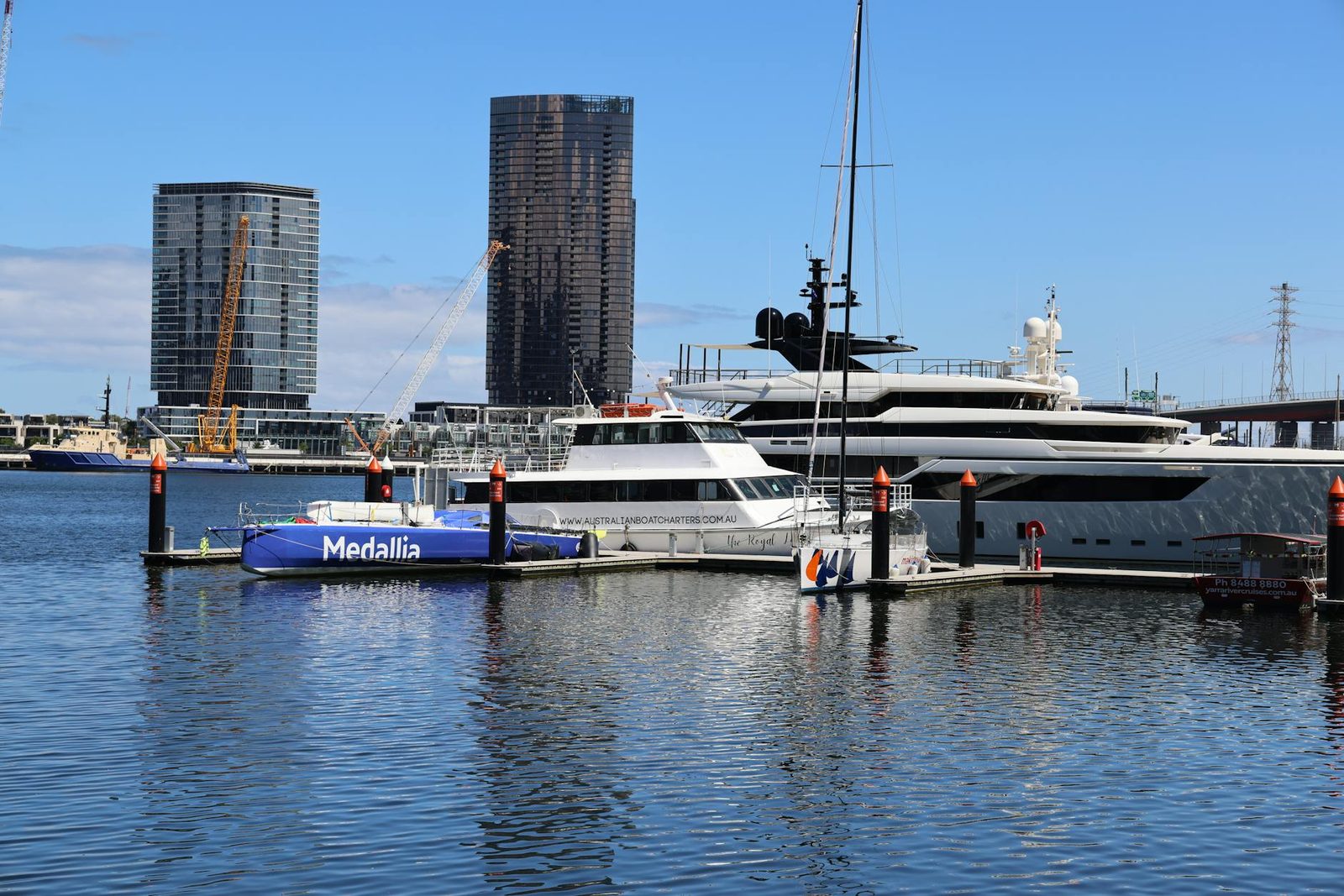
Key marinas and locations
Grand Harbour — Valletta Waterfront
The Valletta Waterfront on the Grand Harbour's Floriana side has been redeveloped as an upmarket restaurant and marina facility. Superyachts berth along the Valletta Waterfront, with the magnificent fortified walls of Valletta as the backdrop. It's genuinely one of the most spectacular berths in the Med. Access is good — the waterfront is a public promenade as well as a marina, which makes dock walking natural and unthreatening.
The Grand Harbour also accommodates vessels at the Dockyard Creek (used for larger vessels and some charter yachts) and in several anchorages around the harbour. VHF hailing to anchored vessels is appropriate if you can't reach them directly.
Msida Marina
On Marsamxett Harbour on the northwest side of Valletta, Msida is the main cruising marina for yachts visiting Malta. A mix of visiting cruisers, longer-term live-aboards, and some charter yachts. Msida is particularly good for meeting experienced sailors and passage-makers who know the Med well — invaluable contacts if you're building your sailing experience.
Portomaso Marina
In St Julian's, on Malta's northern coast, Portomaso is a modern marina adjacent to the Portomaso Casino and Hotel complex. It hosts a good mix of private motor yachts, charter vessels, and some superyachts. The marina is well-maintained and security is present but not excessive. St Julian's itself is the main entertainment district of Malta — convenient for crew accommodation and social life.
Birgu (Vittoriosa) Waterfront
Across the Grand Harbour from Valletta, the Birgu waterfront has several berths for larger yachts and is increasingly popular with superyacht visitors seeking a more atmospheric and less touristic berth than Valletta Waterfront. The old city of Birgu — one of the Three Cities — is extraordinarily well-preserved and gives Malta visits a genuinely unique character.
Seasonal timing in Malta
| Month | Activity | Notes |
|---|---|---|
| January–February | Steady ★ | Quieter but active — refit work, transiting vessels |
| March–April | Building ★★ | Season preparation, increasing vessel traffic |
| May–June | Active ★★★ | Main charter season beginning, good hiring activity |
| July–August | Peak ★★★ | Full charter season, maximum vessel count |
| September–October | Active ★★ | End-of-season movement, Mediterranean Rolex Week in September |
| November–December | Moderate ★ | Some layup work, transiting vessels heading east or west |
Malta-specific tips for dock walkers
- ENG1 equivalents are available locally. Malta has approved medical practitioners who can issue the ENG1 medical certificate (or the Maltese transport authority's equivalent). This is useful if your ENG1 is due for renewal and you're based in Malta — no need to fly back to the UK or another major centre.
- The Malta flag registry office is in Valletta. If you need certification endorsements, flag state documentation, or crew agreement registration for a Malta-flagged vessel, the registry is in Valletta and operates efficiently. This is one of the practical advantages of the Malta flag for crew.
- Tax advantages for residents. Malta offers advantageous tax treatment for yacht crew who establish Maltese tax residency. This is a legitimate option for crew who spend enough time in Malta — consult with a Maltese tax adviser or specialist maritime tax firm (see our yacht crew tax guide). We are not providing tax advice here, but this is worth investigating.
- The Med Week regattas attract superyachts. The Rolex Middle Sea Race, departing from Valletta in October, is a major offshore race that brings significant superyacht traffic and attendant crew movement to Malta in September and October.
- Cost of living is significantly lower than the French Riviera. Malta is one of the most affordable places in the EU to be based as crew. Accommodation, food, and transport are all cheaper than Antibes, Monaco, or Portofino.
Where crew hang out in Malta
St Julian's (specifically the Paceville and Spinola Bay areas) is the main social hub for crew based in Malta. The concentration of bars and restaurants around Spinola Bay — right on the water — creates a natural gathering point for marina-based crew.
- Spinola Bay, St Julian's — the restaurant and bar strip around the bay is where Malta's yachting social scene concentrates. On warm evenings it's genuinely lively.
- The Valletta waterfront restaurants — for a more atmospheric evening, the restaurants on the Valletta Waterfront facing the Grand Harbour are excellent. Crew from vessels in the harbour naturally gravitate here.
- Birgu/Vittoriosa wine bars — the old city across the harbour has developed a small but excellent bar scene in recent years. A quieter alternative to St Julian's for evenings when you want a good conversation rather than a crowd.
Crew accommodation in Malta
Malta is one of the most affordable places to be based as dock-walking crew in the entire Med. A room in a shared crew house typically runs €350–600/month — significantly less than Antibes or Monaco, and broadly comparable to or less than Palma. The St Julian's and Sliema areas offer the best combination of marina access and social infrastructure.
The Malta Yacht Crew Facebook group regularly has accommodation listings. Given Malta's small size (27km long, 14km wide), you can get to any of the main marinas from most parts of the island in under 30 minutes.