In this guide
Viareggio — the superyacht building capital of Italy
Viareggio, on the Tuscan coast north of Pisa, is one of the most important superyacht building locations in the world. The yards here — including the headquarters and construction facilities of Azimut-Benetti and the historic Perini Navi yard — build some of the most technically complex and aesthetically refined superyachts afloat. Walking the waterfront at Viareggio, you'll see new builds in various stages of construction, vessels undergoing major refits, and delivery crews preparing yachts for their owners.
This is the place to come if you're interested in yard-based positions, new build commissioning, refit work, or delivery crew positions. Engineers in particular should make Viareggio a priority — the concentration of technical expertise and the volume of work passing through the Viareggio yards creates continuous demand for qualified marine engineers at all levels.
Unlike the seasonal ports, Viareggio operates year-round. New builds don't follow the Med charter calendar — a yacht under construction in January is as active as one in July. This makes Viareggio one of the few Italian ports where dock walking (or more accurately, yard walking) is productive in any month of the year.
The approach here is different from other ports. Rather than walking pontoons handing CVs to captains, you should approach the yard offices and speak to the HR or operations staff. Ask specifically about commissioning crew, yard positions, and upcoming delivery schedules. Engineering positions in particular are often filled through direct approaches to the yard technical managers.
Genoa and the Ligurian coast
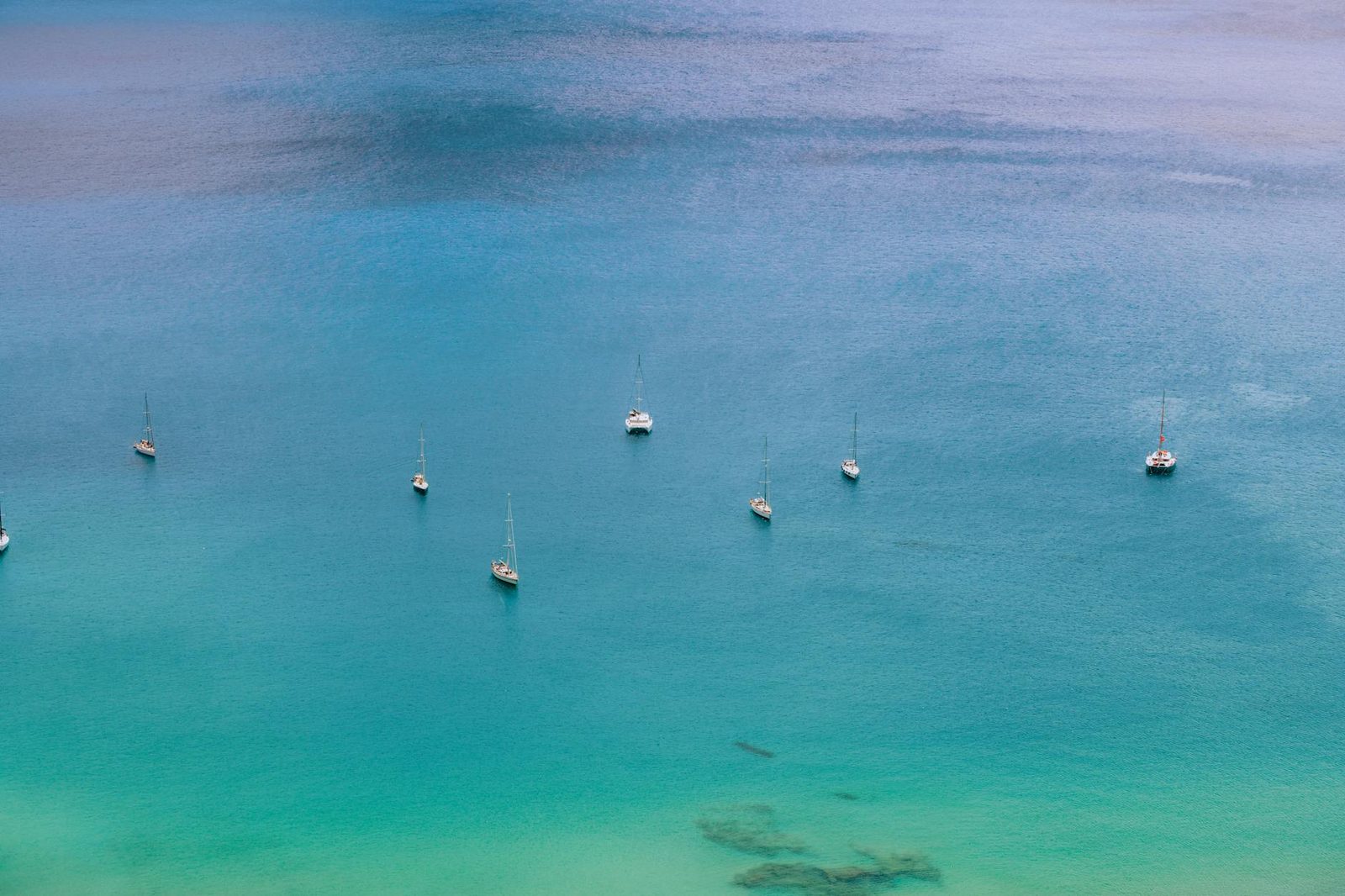
Genoa (Genova) is Italy's largest port city and one of the most important ports in the Mediterranean. The Porto Antico (Old Harbour) has been redeveloped as a leisure and marina area and hosts a mix of charter yachts, sailing vessels, and visiting superyachts. It's not as concentrated a yachting hub as Antibes or Palma, but the volume of vessels transiting the Ligurian coast makes it worth including in any Italian dock walking strategy.
The Ligurian coast from Genoa southwest to the French border passes through some of the most celebrated sailing waters in the Med — Portofino, the Cinque Terre, La Spezia. Charter yachts based in Genoa often cruise this coast, and captains who are short a crew member mid-season sometimes post positions from anchorages along the route. The Genoa Boat Show (Salone Nautico di Genova) in October is Italy's major marine industry event and worth attending for networking.
From Genoa eastward, the coast trends toward the Tuscan Archipelago (Elba, Giglio, Capraia) and eventually Sardinia. Vessels making this passage often transit through Livorno or Porto Santo Stefano — both worth knowing if you're trying to intercept a specific vessel.
Sardinia — Porto Cervo and the Costa Smeralda
Porto Cervo, at the northern tip of Sardinia's Costa Smeralda, is one of the most exclusive yachting destinations in the world. The Aga Khan development that created the Costa Smeralda in the 1960s established an aesthetic and an exclusivity that has attracted the world's largest private superyachts ever since. In July and August, some of the most valuable and most famous yachts in private ownership can be found in Porto Cervo.
The Yacht Club Costa Smeralda (YCCS) is the social and organisational hub of the area. The club hosts major regattas including the Maxi Yacht Rolex Cup and the Swan Sardinia Challenge. For sailing crew, these events are highly significant — racing positions open up, and the concentration of sailing talent around the regatta village creates networking opportunities that don't exist at any other time of year.
Security at Porto Cervo is genuinely strict. You cannot simply walk pontoons as you would in Palma or Antibes. The marina gate requires a pass or a confirmed appointment. The effective dock walking strategy here is different: position yourself in the village — the bars and restaurants of Porto Cervo's small commercial centre — and let the social circuit do the work. Senior crew from major superyachts come ashore in the evenings, and those conversations in the village bars lead to introductions that would never happen at the marina gate.
Seasonal timing across Italian ports
| Location | Peak Season | Notes |
|---|---|---|
| Viareggio | Year-round | Yard/build/refit work — not seasonal |
| Genoa / Liguria | May–September | Charter season on the coast; October Boat Show |
| Porto Cervo, Sardinia | July–August | Ultra-peak; regattas in late September also active |
| Sicily / Palermo | June–September | Growing charter market, less competitive than Costa Smeralda |
Italy-specific tips for dock walkers
- Italian bureaucracy is real. Vessels based in Italian waters deal with regular port authority check-ins (the Transit Log / Zarpe system) and Italian maritime administration. This generates paperwork that captains find burdensome — if you can demonstrate any experience navigating Italian port authority procedures, it's a genuine plus.
- Language helps enormously. Even basic Italian opens doors in a way that English-only crew can't access. Port authority offices, yard staff, and local service providers all operate primarily in Italian. A crew member who can handle the basics earns points with any Italian-based captain.
- The Genoa Boat Show in October is underrated. It's one of the largest boat shows in the world by number of boats, but it gets less international attention than Monaco or FLIBS. That means less competition from other dock walkers attending it as a networking venue.
- Sardinia access from mainland Italy is easy. Ferries from Genoa, Livorno, and Civitavecchia (Rome) reach Sardinia overnight. If you're positioned on the mainland coast and want to get to Porto Cervo for a regatta or a meeting, the ferry is cost-effective and arrives in the morning.
- Italian-flagged vessels have specific crew requirements. Some Italian-flagged vessels require Italian maritime certifications for certain officer positions. Most of the superyachts at Porto Cervo are flagged in the Cayman Islands or Malta, so this is less relevant at the top end, but worth knowing for mid-range Italian charter yachts.